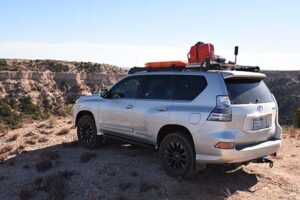

A Texas winter trip can begin at 70 degrees and end with a north wind, wet gear and a dead battery before breakfast. The Southern Plains usually do not demand a mountaineering loadout, but the mix of fast cold fronts, freezing rain, mud, short daylight and long distances between services punishes a summer packing list.
This is the ten-part system we would pack first for a cool-season vehicle trip in Texas, Oklahoma, Arkansas, Louisiana or New Mexico. It is a research-based recommendation, not a claim that TX:GX field-tested every product named below. The goal is not to buy ten new gadgets. It is to close the ten failure points that most quickly turn a good weekend into a cold wait for help.
The short version: pack in this order
- Weather and route plan
- Independent starting power
- Tire repair, gauge and compressor
- Traction boards, shovel and rated recovery gear
- Insulated sleeping pad
- Realistic sleeping bag and dry layers
- Targeted backup warmth
- Hands-free lighting and spare power
- Off-grid communication
- Food, water, first aid and delay supplies
1. A weather and route plan that survives no service
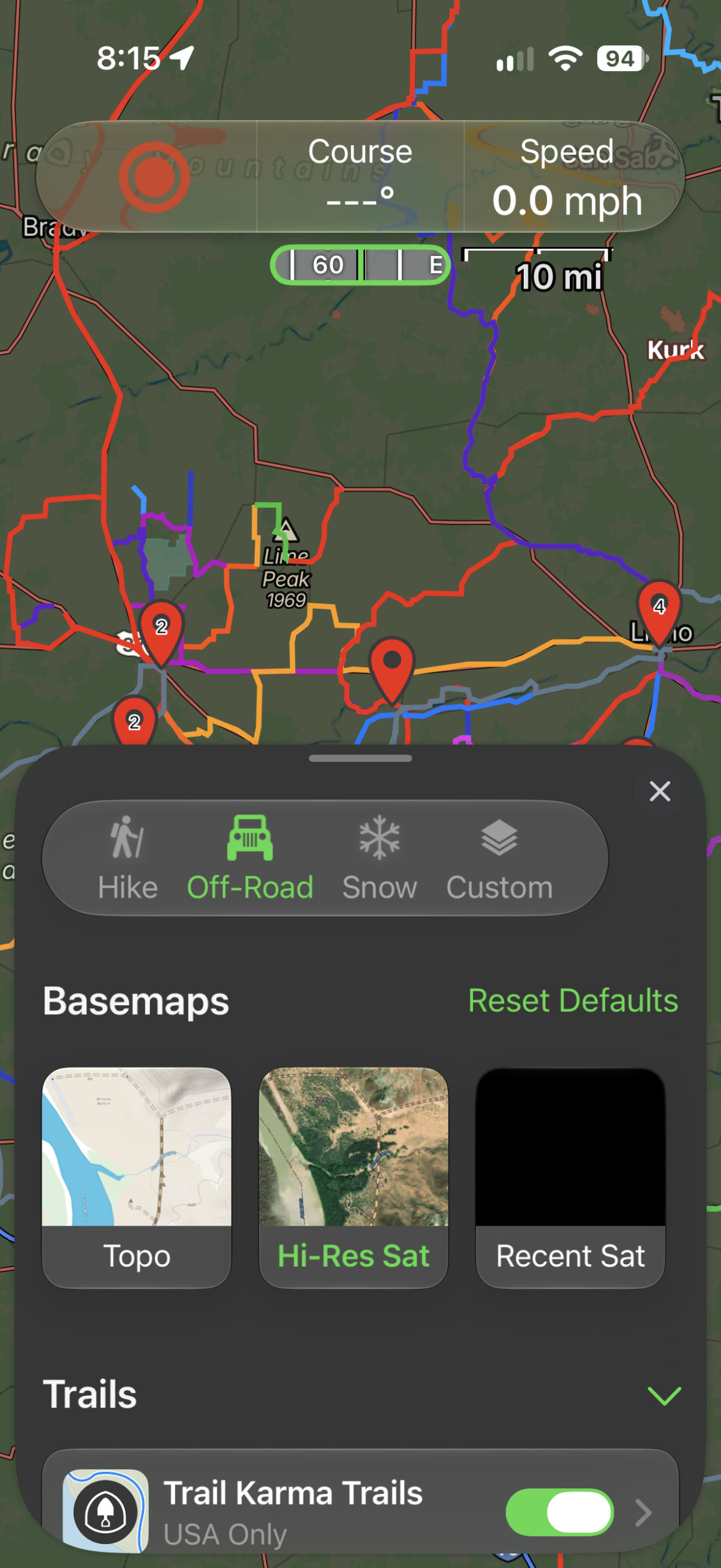
The first essential is information you can still use after the bars disappear. Download the route and surrounding map area before leaving, save the land manager’s current road and closure pages, and leave a trip plan with someone who is not going. The National Weather Service advises checking the latest forecast before travel and carrying a winter survival kit rather than driving into a storm.
Our Gaia GPS review explains how we use offline maps on iPhone, iPad and laptop. Whatever app you choose, an offline map is not permission to use a road. Current park, forest, county and private-property rules still control access.
2. Independent starting power
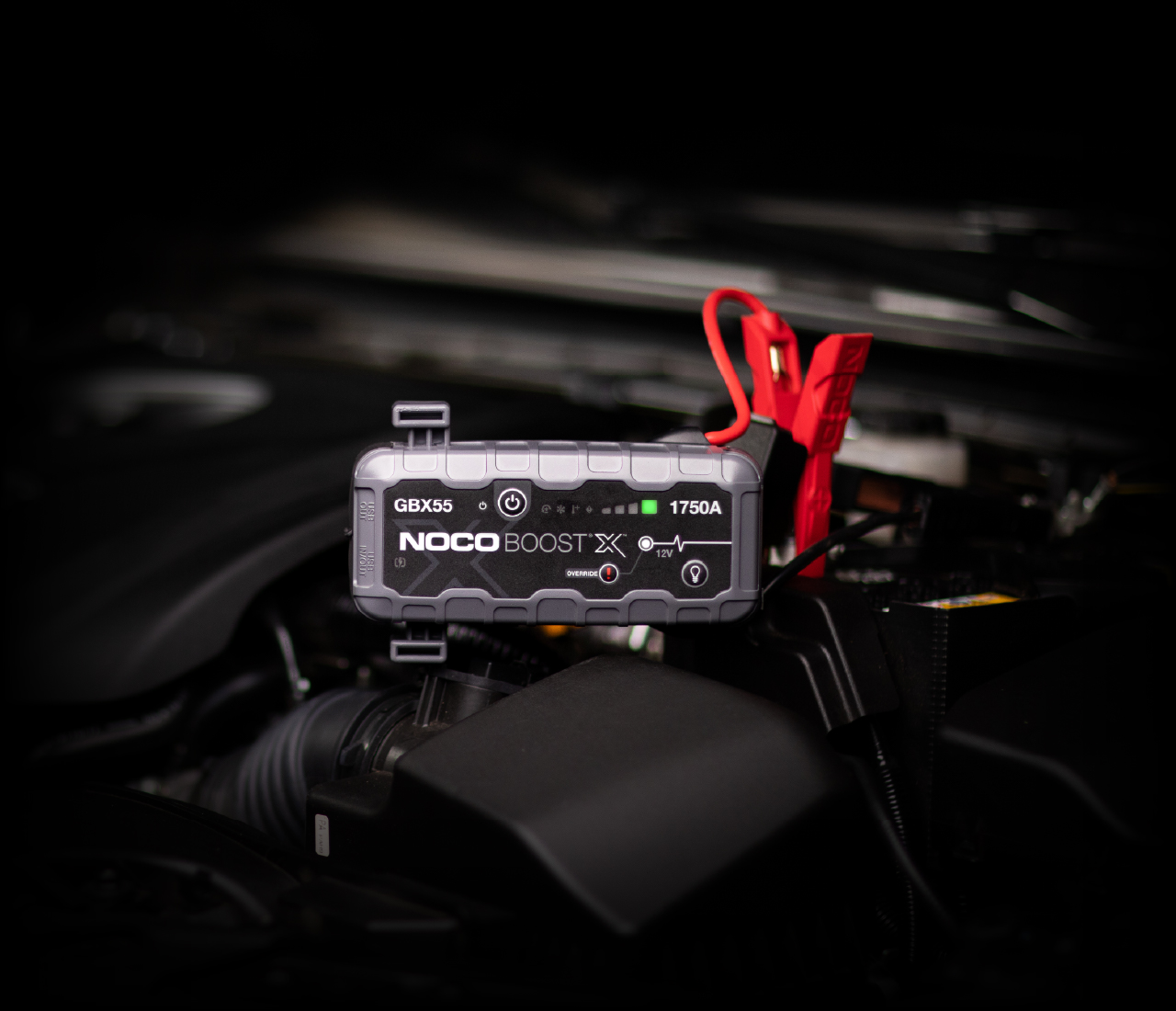
A battery that was merely tired in October can become the trip-ending problem after a cold night, repeated door openings and charging phones at camp. Carry a jump pack sized for the engine, charge it before departure and store its clamps where you can reach them without unloading the vehicle.
The NOCO Boost X GBX55 is a useful mid-size reference point: 1,750 peak amps for 12-volt lead-acid batteries, with manufacturer ratings up to 7.5-liter gasoline and 5.0-liter diesel engines. It weighs 2.58 pounds and carries an IP65 rating with its ports closed. Buy to the vehicle, not the biggest number on the box, and confirm the pack supports your battery type.
TX:GX Overland may benefit from affiliate link purchases – it helps us keep the lights on around here.
View the NOCO Boost X GBX55 jump starter on Amazon
3. Tire repair, an accurate gauge and a real compressor
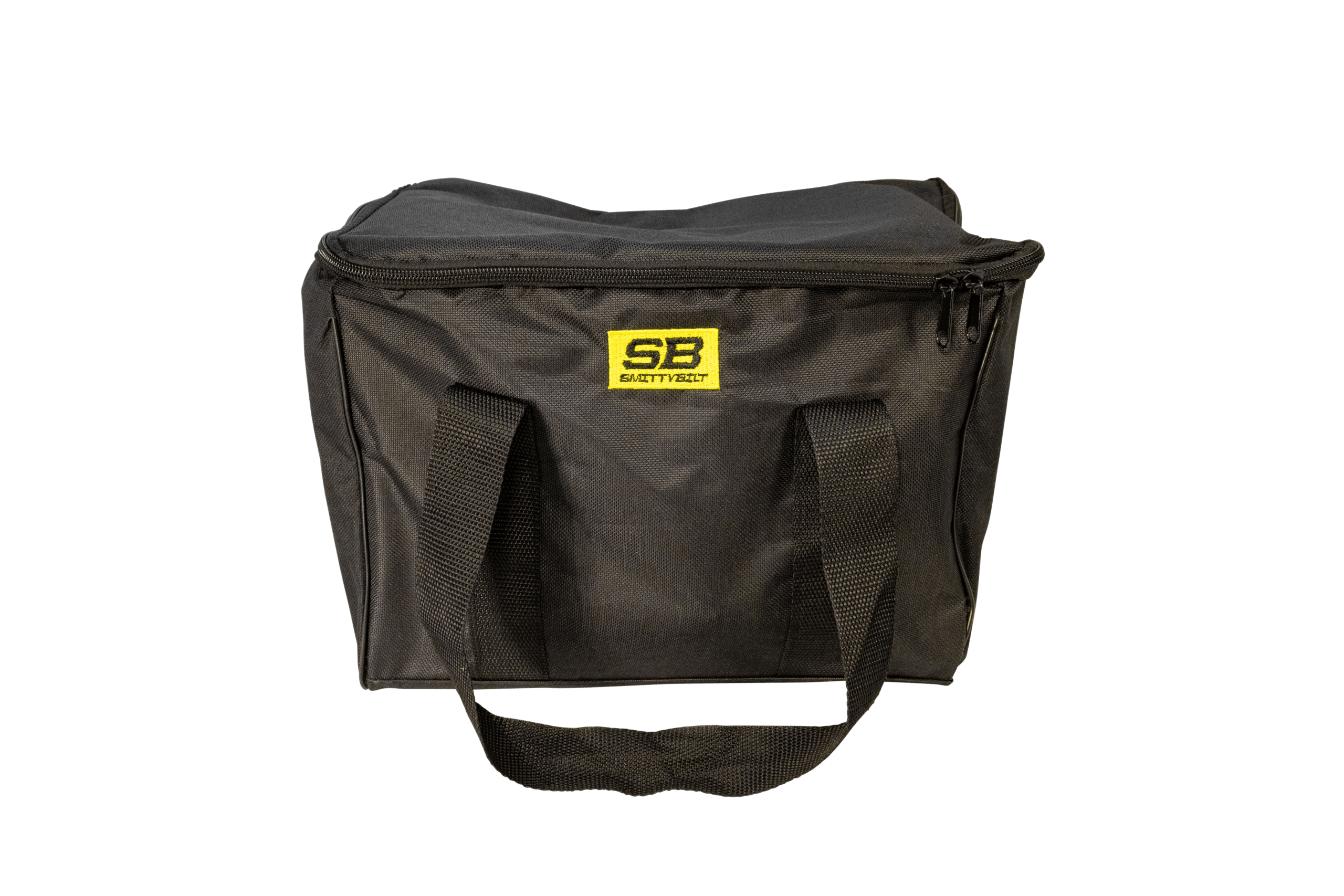
Cold pressure drops can expose a marginal tire, and mud or rough road may make airing down useful. A plug kit without air is incomplete; a compressor without a gauge and valve tools is only slightly better. Pack all three together, plus the correct socket and a way to reach the spare.
Our field-tested Smittybilt 2781 compressor review is the specific commerce path in this guide. That review includes authorized purchase links and the measured inflation result from our GX. Check current availability and price at the destination before buying.
View the Smittybilt 2781 portable air compressor on Amazon
4. Traction boards, a shovel and rated recovery gear
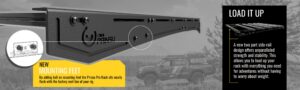
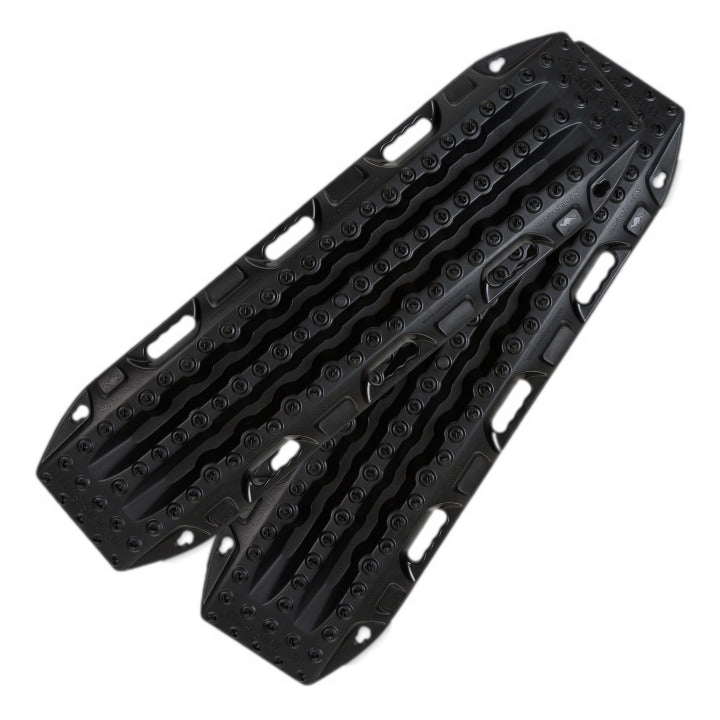
Winter trouble in this region is often mud, a slick campground road or a shoulder softened by rain—not deep snow. Traction boards and a shovel solve many low-energy recoveries without introducing another moving vehicle. The MAXTRAX MKII is a proven full-size benchmark at 45 by 13 by 3.5 inches and 7.5 pounds per board; each end can also help move loose soil or snow.
Add a rated kinetic rope or recovery strap and rated connectors only after confirming that both vehicles have suitable recovery points. A tow ball is not a recovery point. Training and a practiced low-energy plan matter more than carrying a catalog of rigging you have never used.
View the MAXTRAX MKII recovery boards on Amazon
5. An insulated sleeping pad
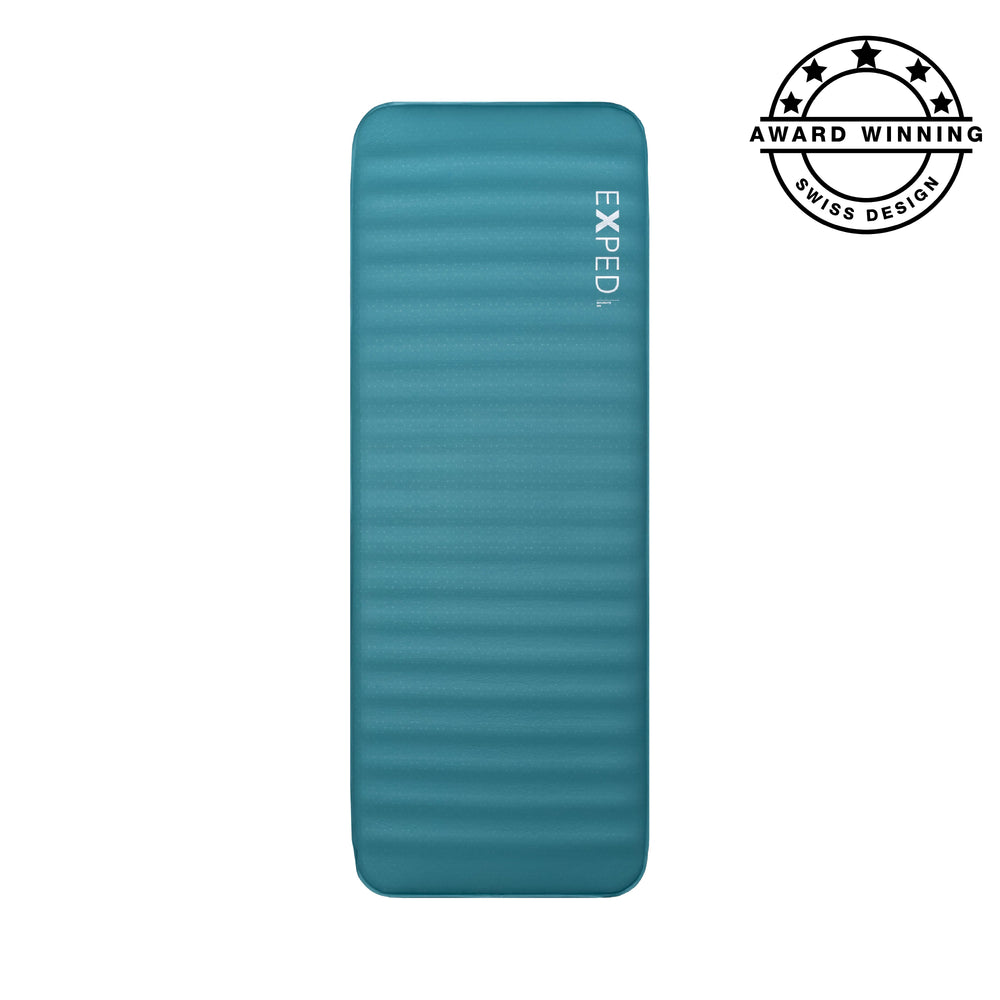
Cold ground steals heat even when the sleeping bag looks impressive. The pad is the foundation of the winter bed, and its R-value is the useful comparison. For vehicle-supported comfort, the EXPED MegaMat has an ASTM R-value of 8.1 and four inches of thickness, but the regular-width versions weigh roughly 4.6 to 5 pounds and pack bulky. That is a good trade in a vehicle and a poor one in a backpack.
Our complete cold-weather sleep-system guide compares high-R pads, bag ratings and powered top heat. Read it before spending money on a heater.
View the EXPED MegaMat 10 on Amazon
6. A sleeping bag chosen by the right rating—and dry layers
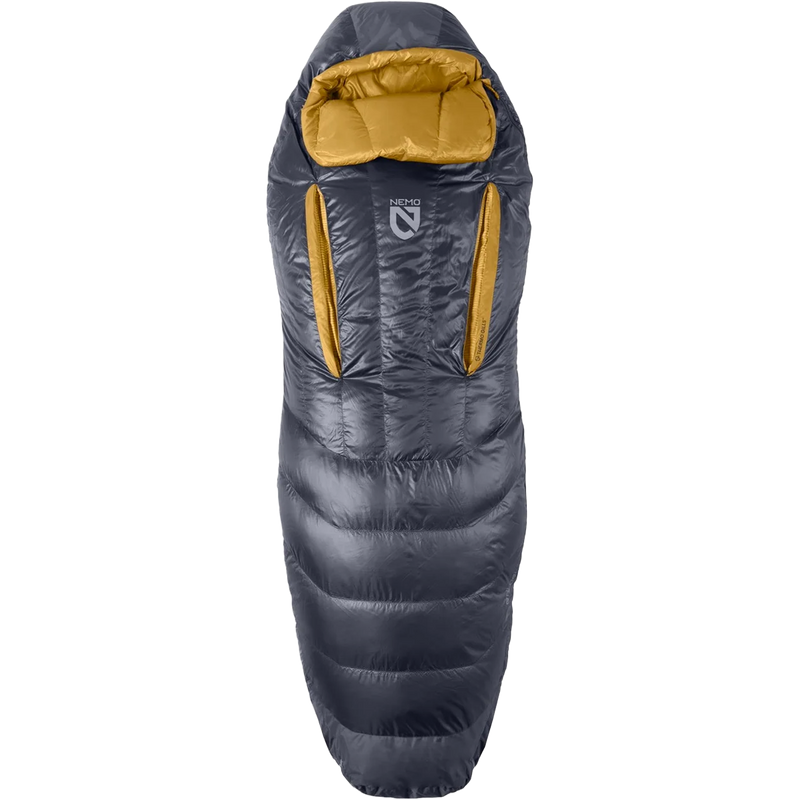
A large temperature number on the bag is not always the temperature at which you will sleep comfortably. Use the ISO Comfort rating when you sleep cold; treat Lower Limit as a more optimistic boundary. Wear a dry base layer, clean socks and a warm hat reserved for sleep. Keep tomorrow’s clothing in a dry bag instead of wearing the damp layers from the trail.
The National Park Service winter checklist calls for a season-appropriate bag and pad, moisture protection, extra clothing, navigation and a shovel. For daytime layers, our fall-jacket buying list gives five practical midlayer and shell choices without pretending one jacket replaces the system.
7. Targeted warmth with a no-power backup
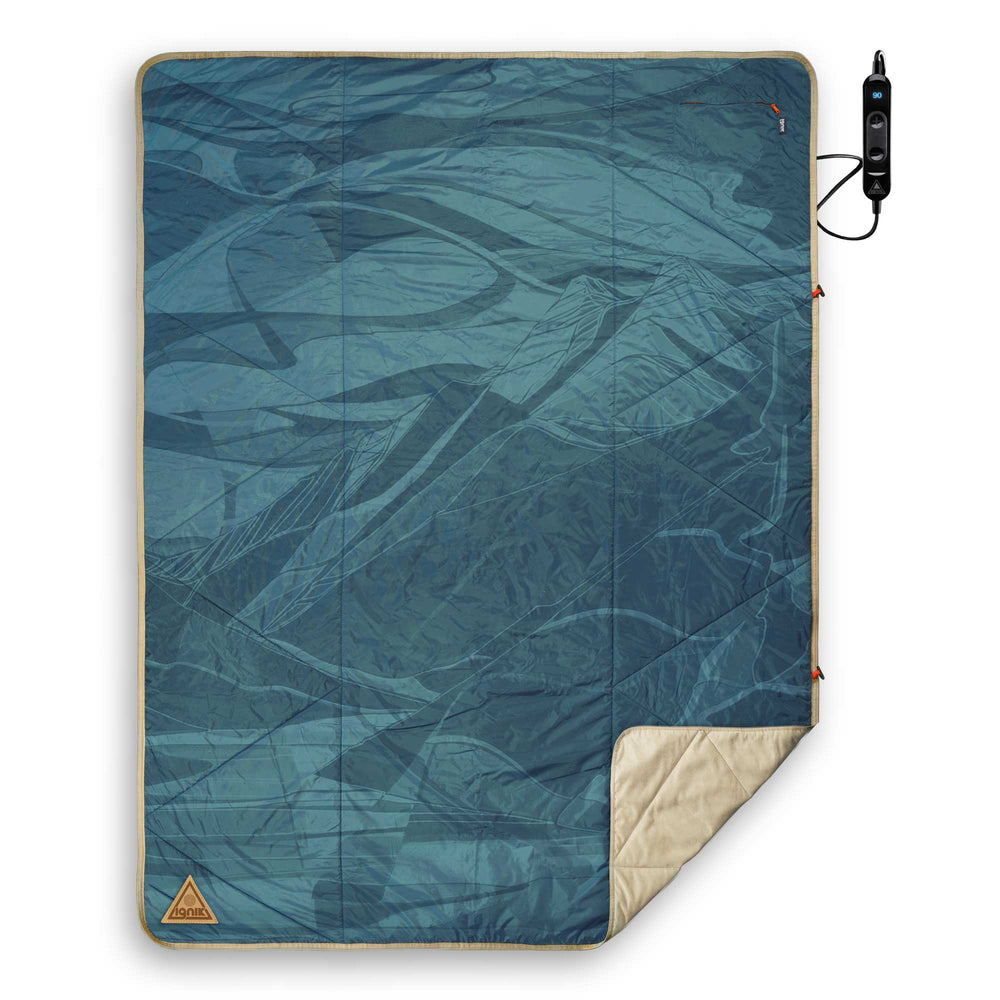
Heating the person is more efficient than heating an entire tent. The Ignik Topside Heated Blanket draws up to 48 watts from a 12-volt source, and Ignik recommends a 500Wh battery with four-amp output for its heated bed systems. At the full 48-watt setting, 500Wh is about 10.4 theoretical hours before inverter, cable, battery-temperature and cycling losses. Plan for less.
Also pack a hot-water bottle or chemical warmers so a dead power station does not erase the warmth plan. Fuel-burning heaters are a separate awake-and-managed decision. The U.S. Consumer Product Safety Commission says never to use fuel-burning portable heaters while sleeping in enclosed tents, campers or vehicles.
8. Hands-free lighting and spare power
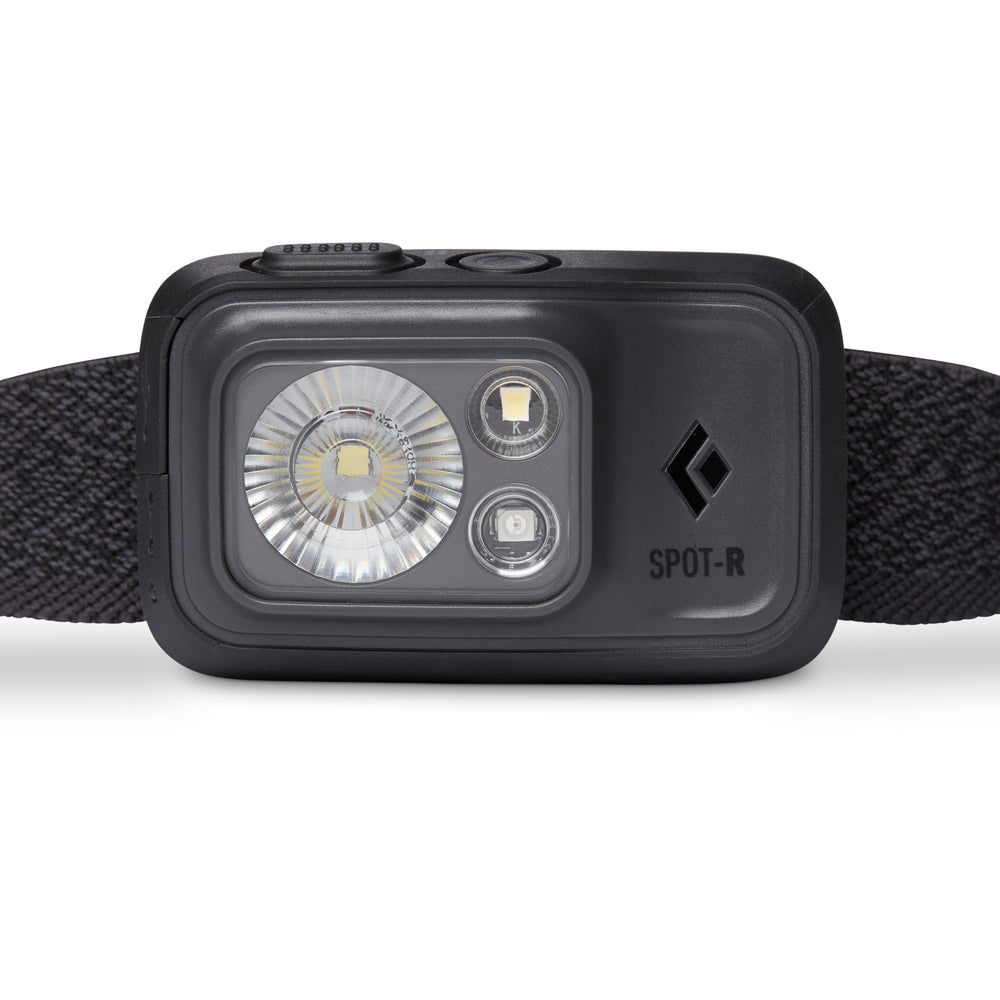
Short days move tire repairs, cooking and camp setup into darkness. A headlamp keeps both hands free and should live where the driver can reach it. The rechargeable Black Diamond Spot 400-R provides 400 lumens, red night vision and an IP67 rating. Its lock mode matters in a packed vehicle because a lamp that turns itself on in a bag is not an emergency light.
Carry a second light or a compatible backup power source. Do not make one USB-C battery responsible for navigation, communication, heat and lighting at the same time.
View the Black Diamond Spot 400-R rechargeable headlamp on Amazon
9. Off-grid communication
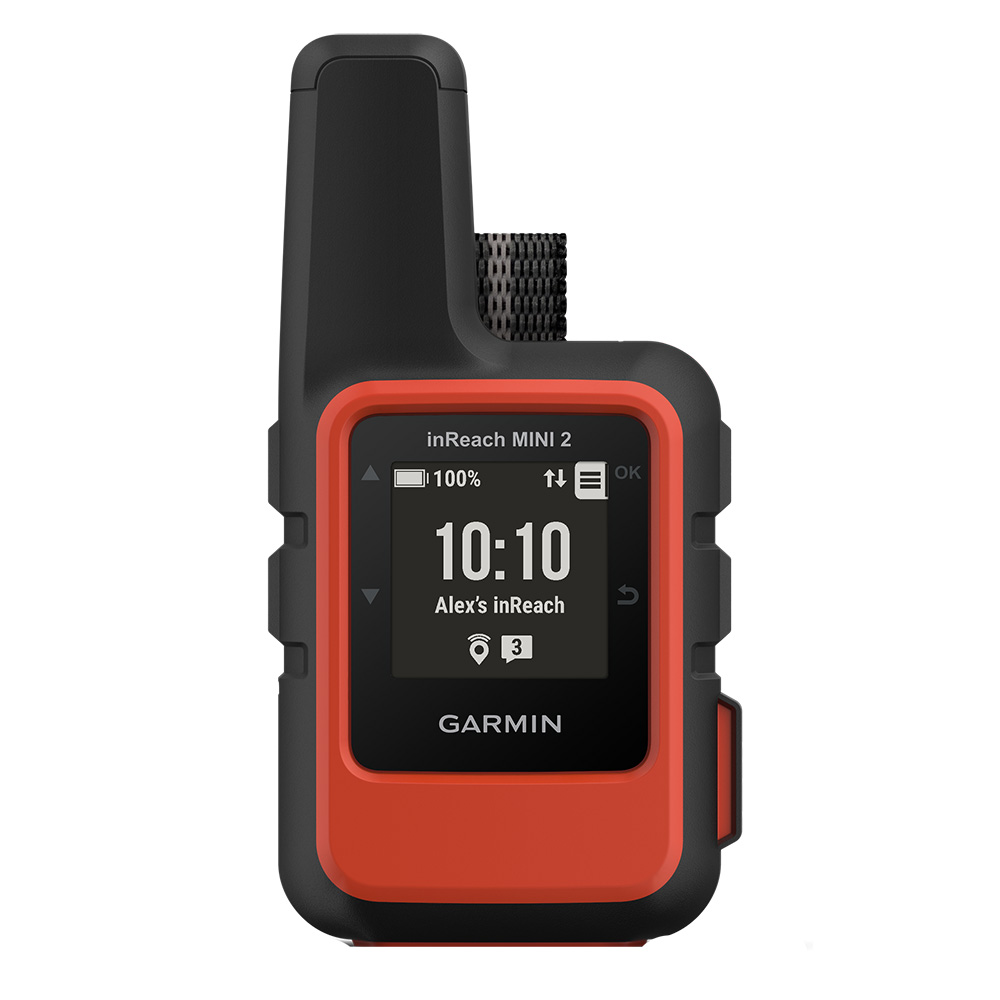
A phone is still the first tool where service exists. Beyond coverage, a satellite communicator can send messages, share a location and trigger SOS, but those services require an active plan and a clear view of the sky. The Garmin inReach Mini 2 supports TracBack routing, USB-C charging and up to 14 days of battery life in 10-minute tracking mode under Garmin’s stated conditions.
Pair the device before the trip, send a test message, confirm the subscription and teach another traveler how to use SOS. Hardware in a glovebox is not a communication plan.
View the Garmin inReach Mini 2 satellite communicator on Amazon
10. Food, water, first aid and supplies for the delay
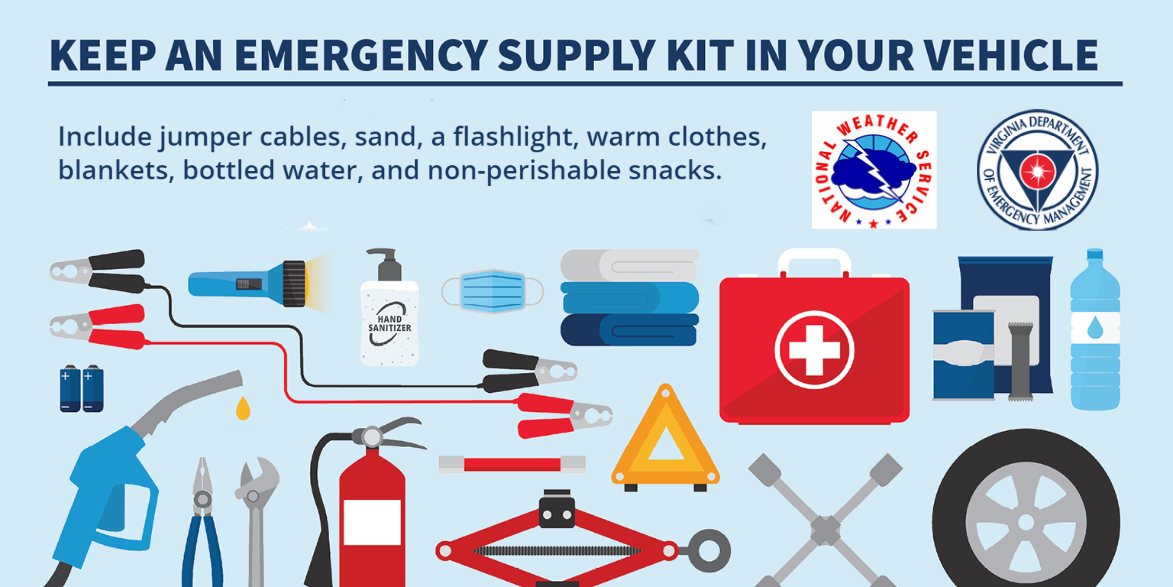
Pack for the unexpected night, not just the planned dinner. The National Weather Service winter-vehicle list includes blankets or sleeping bags, flashlight and batteries, first aid, nonperishable food, extra dry clothing, shovel, scraper, tools, tow rope, booster cables and water. Add prescription medicine, a fire extinguisher and warning triangles appropriate to your group and vehicle.
Keep water inside the insulated cabin or cooler so a freeze does not leave you with a solid jug. Store food you can eat without lighting a stove. In the Southern Plains, waiting out ice or a closed road is often safer than proving the vehicle can move.
The TX:GX packing rule
Pack the failure chain, not the catalog: information, vehicle start, tire, traction, sleep, clothing, warmth, light, communication and delay supplies. If one category depends on a battery, bring a simpler backup. If a product requires training, practice before the cold front arrives. And if the forecast, road report or land manager says the route is a bad idea, the best winter essential is the willingness to choose another weekend.
Sources checked November 23, 2026: National Weather Service winter storm and vehicle-kit guidance; National Park Service winter planning checklists; official NOCO, MAXTRAX, EXPED, Ignik, Black Diamond and Garmin specifications; U.S. Consumer Product Safety Commission carbon-monoxide guidance. Product availability and specifications can change.