

Affiliate disclosure: TX:GX may earn a commission from qualifying purchases made through links in this article, at no extra cost to you.
The weBoost Sky is being positioned as a new kind of vehicle connectivity product, which makes the first question more important than the spec sheet: what problem is it actually trying to solve? The short answer is the gap between a weak-but-usable cellular signal and no terrestrial signal at all.
First: what is T-Satellite?
T-Satellite is T-Mobile’s direct-to-cell service built with Starlink. When a compatible phone loses ordinary tower coverage and has a clear enough view of the sky, it can connect to specially equipped low-Earth-orbit satellites using cellular spectrum. The practical goal is to keep basic communications working in dead zones without carrying a traditional satellite phone or setting up a separate dish.
It is not the same thing as full Starlink broadband. Direct-to-cell capacity is limited, supported phones and plans matter, and the available functions have been rolling out in stages—from messaging toward selected low-bandwidth app data. Think “keep a text, location share, weather check, or supported app alive when the tower disappears,” not “stream a movie from camp.” Current capabilities and compatibility should be checked on the provider’s official pages before publication or purchase.
Where the weBoost Sky fits
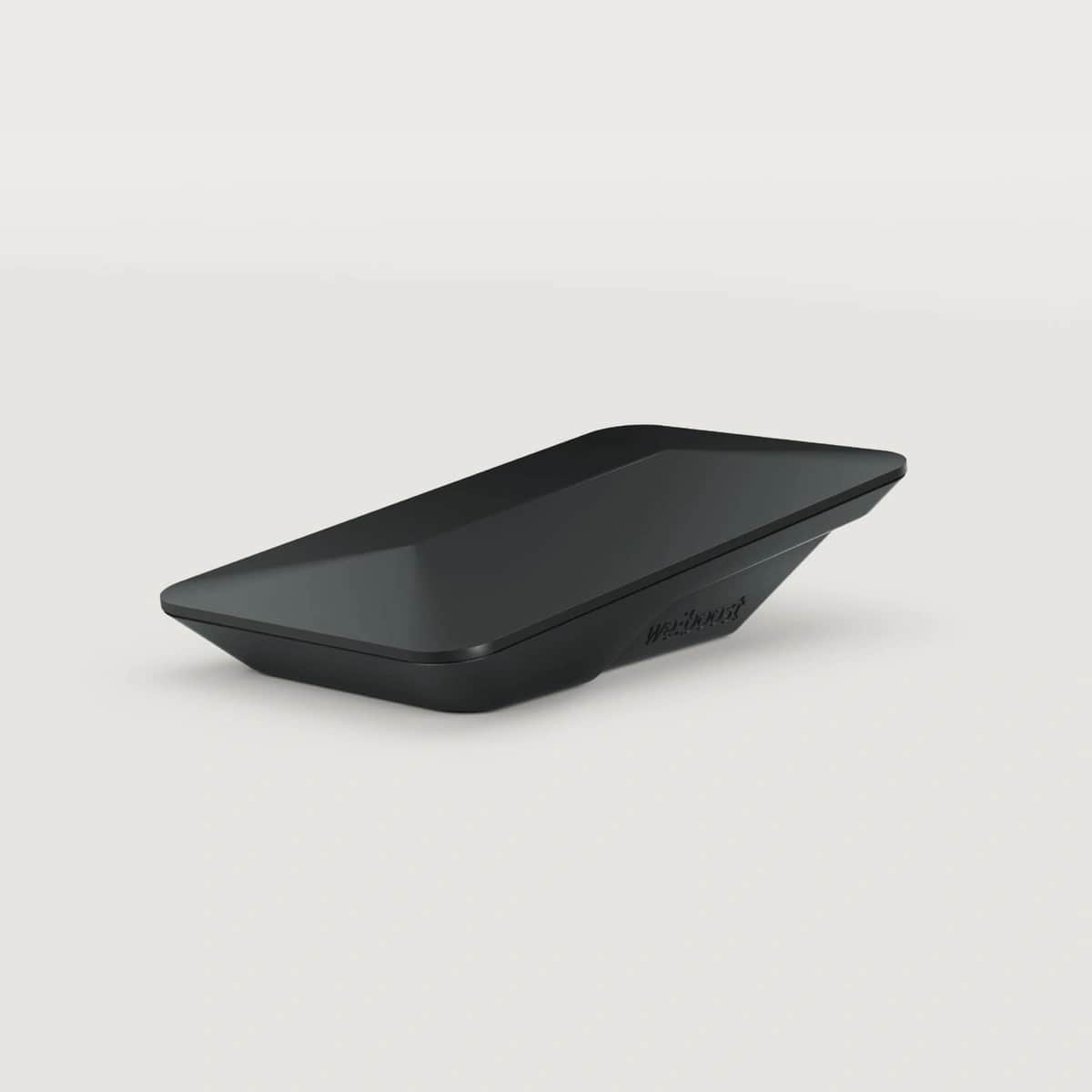
A traditional booster such as the weBoost Drive Reach amplifies an existing terrestrial cellular signal. No tower signal means there is nothing useful to boost. A direct-to-cell product is aimed at the next part of the coverage spectrum: the places where the phone cannot reach a ground network but may still see the sky.
That distinction matters for overlanders. A booster may improve calls and data on the edge of normal coverage; T-Satellite-style connectivity may preserve basic communications beyond it; a dedicated messenger or personal locator remains a different tool with a different safety case.
What we would compare before buying
| Problem | Product category | Example |
|---|---|---|
| Weak cellular signal still exists | Cell booster | weBoost Drive Reach |
| No tower coverage; basic phone connectivity needed | Direct-to-cell satellite service | Check Amazon for weBoost Sky |
| Two-way off-grid messaging and tracking | Dedicated satellite communicator | Garmin inReach |
| Full camp internet for multiple devices | Satellite broadband terminal | Starlink Mini |

Questions the launch still needs to answer
- Which phones, carriers, plans, and regions are supported at launch?
- Does the vehicle hardware materially improve connection reliability versus a compatible phone by itself?
- What functions work now: SMS, location, images, selected apps, voice, or something else?
- What happens under tree cover, canyon walls, heavy weather, or a partially blocked sky?
- What are the hardware, subscription, activation, and roaming costs?
- Can it be trusted as a convenience layer only, or does the company make any safety-related claims?
Early verdict
The idea is compelling because it attacks a real transition point in vehicle travel: normal cellular coverage fades long before every road or campsite does. But the product’s value will depend less on the word “satellite” and more on compatibility, real-world sky view, usable functions, and total recurring cost. Until those details are verified, the sensible comparison is not “Sky versus booster.” It is “which layer of the communications problem are you trying to solve?”
Evidence status — verified concept, developing product details: the direct-to-cell explanation is supported by current Starlink/T-Mobile service materials. Product-specific availability, feature, and compatibility claims should be rechecked at the manufacturer source immediately before publication.